

Culture
-
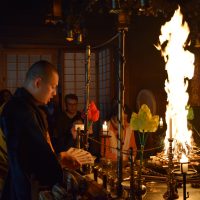
Bouddhisme au Japon
Le courant du bouddhisme au Japon est le Mahayana (voie du grand véhicule), introduit au Japon au VIe siècle en passant par la Chine et la Corée.
-
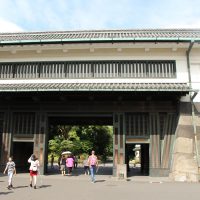
Histoire d’Edo : l’ère Tokugawa
The prime duty of a Samurai was to give faithful service to his lord or Daimyo. In fact, the origin of the term is linked to word meaning and this overlap can be seen in the Kanji used to write the word
-
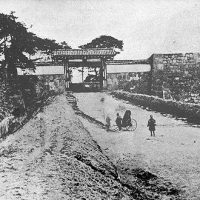
Restauration Meiji
The Meiji restoration was not peaceful handover of power.
-

La grande ville de Tokyo et les sanctuaires shintoïstes
Tokyo is known for its huge population, the increase in technology and many modern buildings.
-
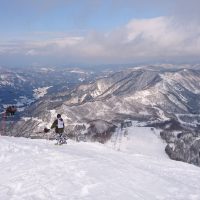
Ski au Japon
There are over 500 ski resorts across Japan from the northern island of Hokkaido to the southern main island of Kyushu
-

Transfert à l’aéroport de Narita
Transfer from Narita to Tokyo, there is almost 80km from airport to tokyo. you can take a bus, train or taxi to your destination.
-

Économie et coût du Japon
It is no secret that Japan’s economy has been in a slump for the last 20years.
-

Accès internet au Japon
Si vous souhaitez être connecté tout le temps au Japon, il y a 2 options possibles : acheter une carte SIM ou louer un pocket Wi-Fi.
-

Train à grande vitesse : Shinkansen
The Shinkansen known colloquially in English as the bullet train, is a network of high-speed rail lines in Japan.
-
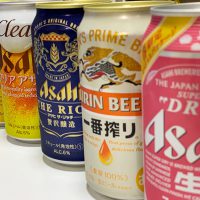
Bière japonaise, Sapporo, Kirin, Yebisu et Asahi
Japón tiene una selección de cervezas que se pueden encontrar en cualquier supermercado, tiendas de conveniencia o en algunas máquinas expendedoras.
-
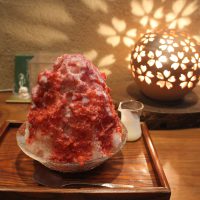
Kakigori
Japanese summer food called “Kakigori” is made with ice that, through a special knife machine, turns it into snow.
-

Cuisine spéciale de Harajuku : Tapioca et crêpes
Harajuku is a site in the city of Tokyo that is known for the “Kawaii” (Pretty, Cute) fashion, extravagant and different from any part of the planet.
-
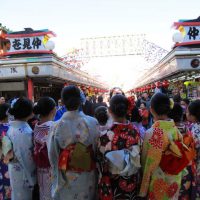
Hatsumode : Jour de l’An
Hatsumode is one of the most beautiful celebrations of the whole year, since it is about receiving the new year in a spiritual place and connecting with the divinity from day one.
-
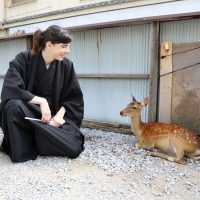
Hakama : Vêtements traditionnels japonais
A hakama is the skirt-like pants that is worn over a kimono. It is a traditional piece of samurai clothing.
-

Anime emblématique
« Anime » comes from the word « Animation » and within Japan it is used to refer to any kind of animation, while in the West it refers only to the content produced in the land of the rising sun.
-
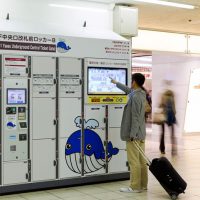
Comment utiliser la consigne automatique?
Quand vous voyager au Japon, pour se débarrasser de valises lourdes ou grands bagages, nous vous conseillons d’utiliser les consignes automatiques, appelées en japonais Coin Locker.
-
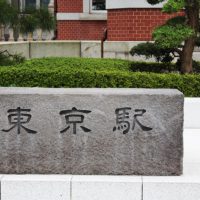
Comment utiliser les trains JR
If you are staying in a hotel or a hostel, you will usually get an indication to get to the nearest train station.
-
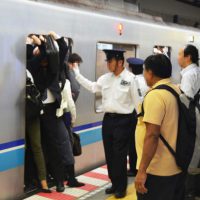
Comment utiliser les métros à Tokyo
The Tokyo subway system is divided into two companies: the Tokyo Metro and the Toei Metro.
-
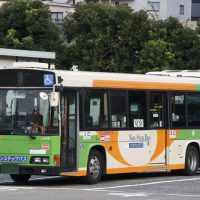
Comment utiliser le système de bus à Kyoto
In most cities in Japan it is normal to use the extensive train and subway network system to move from one place to another quickly and conveniently.
-
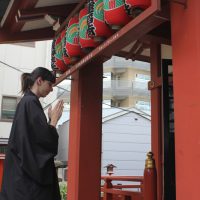
Comment prier dans un Jinja (sanctuaire shintoïste)
Shinto is the indigenous faith of Japan. It means worshiping ancestors as guardians of the family.